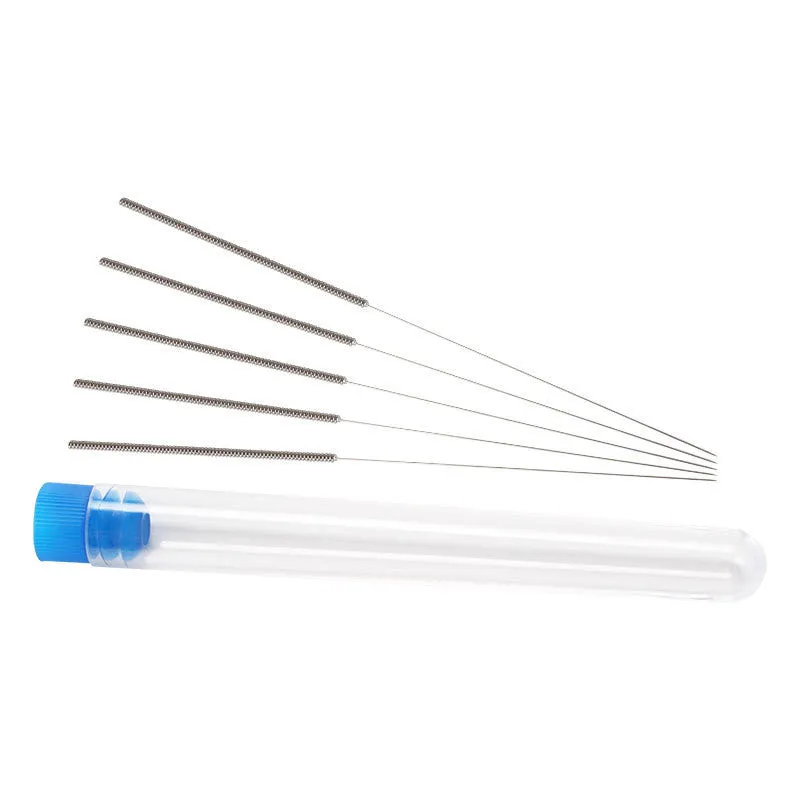
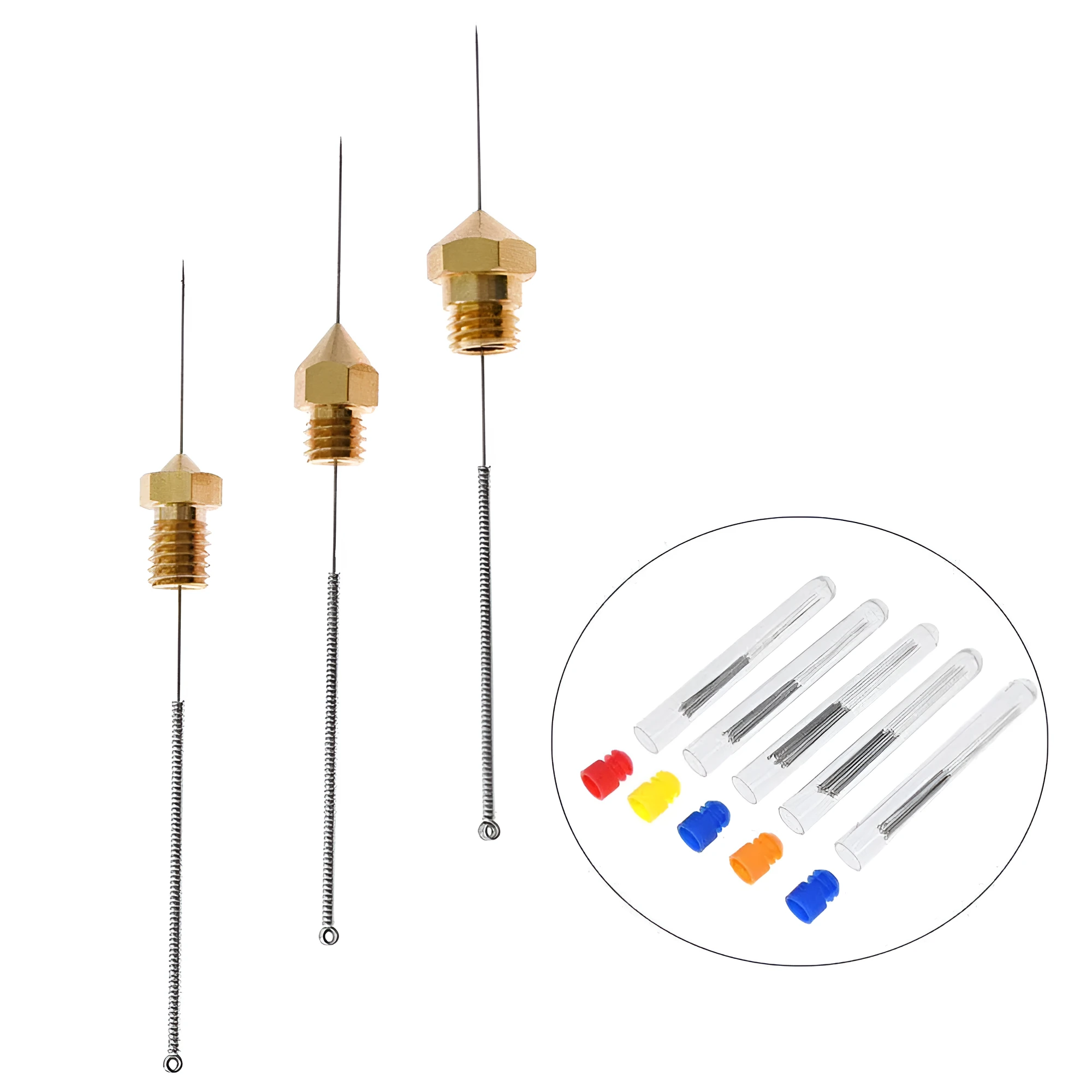
3D printer accessories Mk8 E3D nozzle cleaning needles for removing filament jams and clearing extruder paths, available in 200 micron, 225 micron, 300 micron, 350 micron, and 400 micron sizes, each box containing 10 pieces of the specified diameter


3D printer accessories Mk8 E3D nozzle cleaning needles for removing filament jams and clearing extruder paths, available in 200 micron, 225 micron, 300 micron, 350 micron, and 400 micron sizes, each box containing 10 pieces of the specified diameter
Mk8 and E3D 3D Printer Nozzle Cleaning Needles in Five Diameters
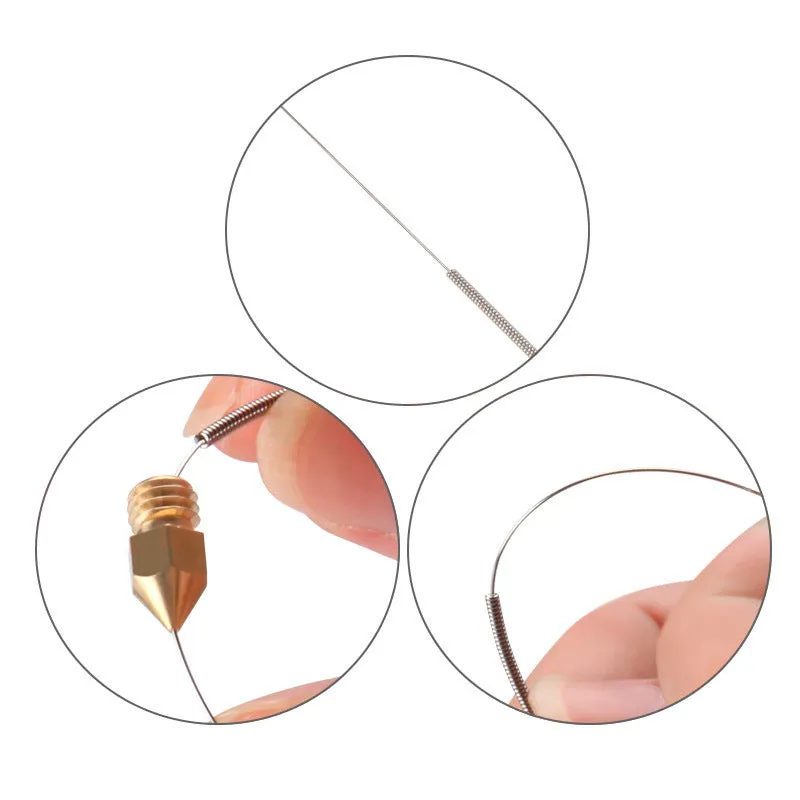
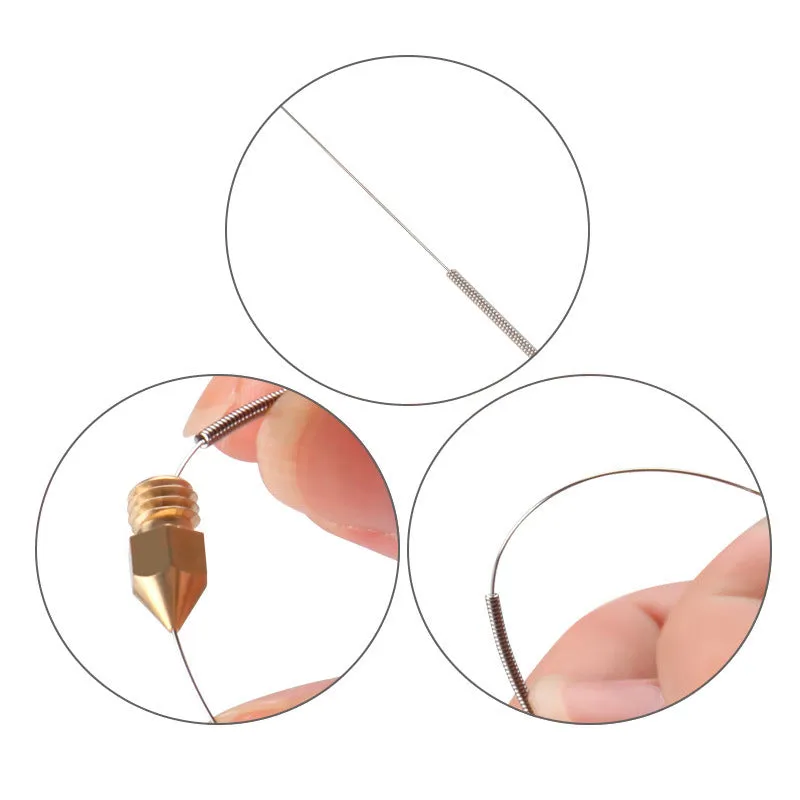
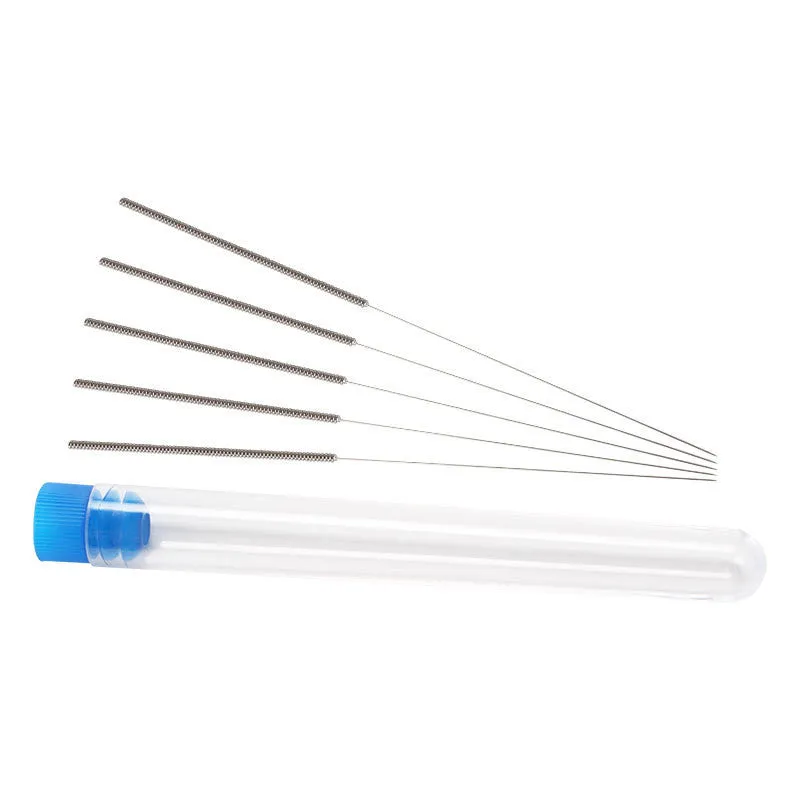
Maintaining consistent extrusion is fundamental to successful 3D printing, and filament jams within the nozzle are a frequent interruption. These cleaning needles provide a direct, mechanical solution for clearing such obstructions in Mk8 and E3D-style hotends. Available in a range of five specific diameters, each box contains ten identical needles, offering a practical tool for addressing clogs and keeping your printer's extrusion path clear. By matching the needle size to your nozzle, you can effectively push through softened or hardened filament residue that causes under-extrusion and print failures.
Features and Construction
This product is defined by its precise application and measurable specifications. It is not a general-purpose tool but one engineered for a specific maintenance task on common 3D printer systems.
Material and Build
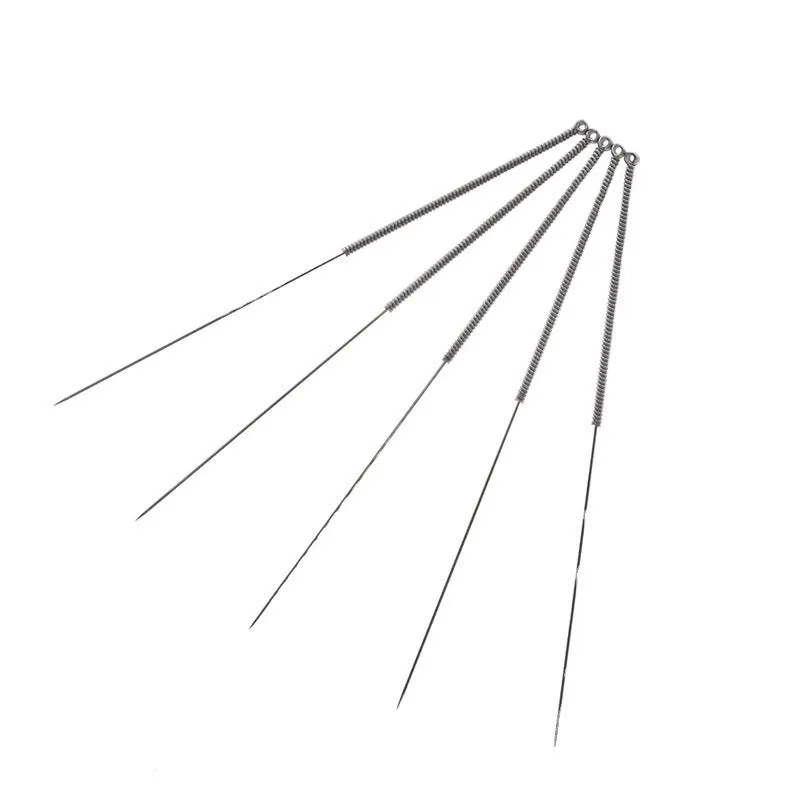
The cleaning needles are made from steel, providing the necessary rigidity to push through filament obstructions without bending. This material choice supports the primary function of clearing jams, as a softer material would deform under pressure. The construction is focused solely on the needle itself, designed to fit into the confined space of a printer nozzle. No additional handles or grips are mentioned, indicating a straightforward tool for the experienced user.
Size and Practical Fit
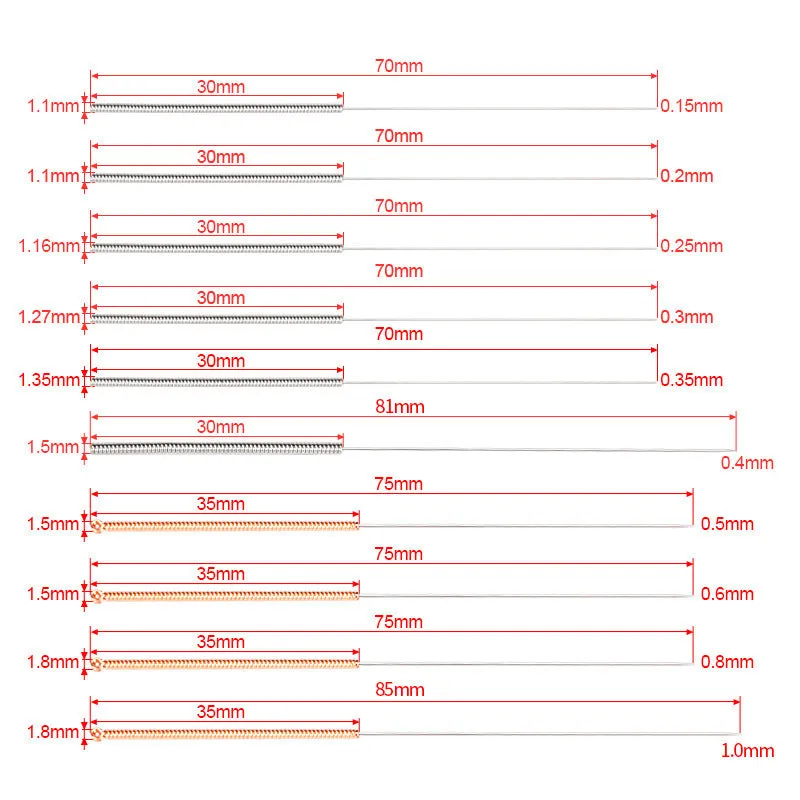
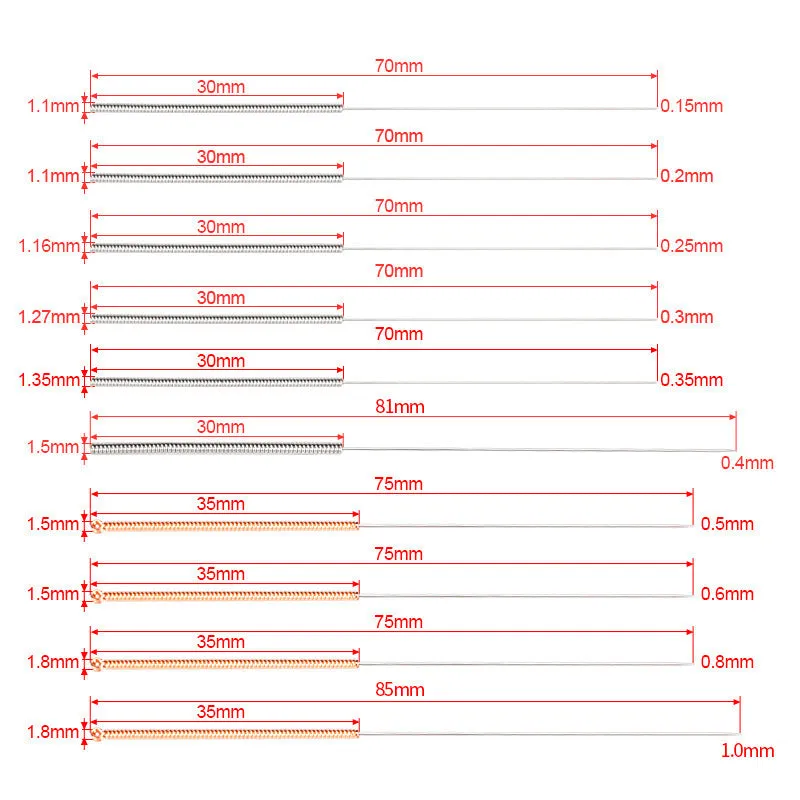
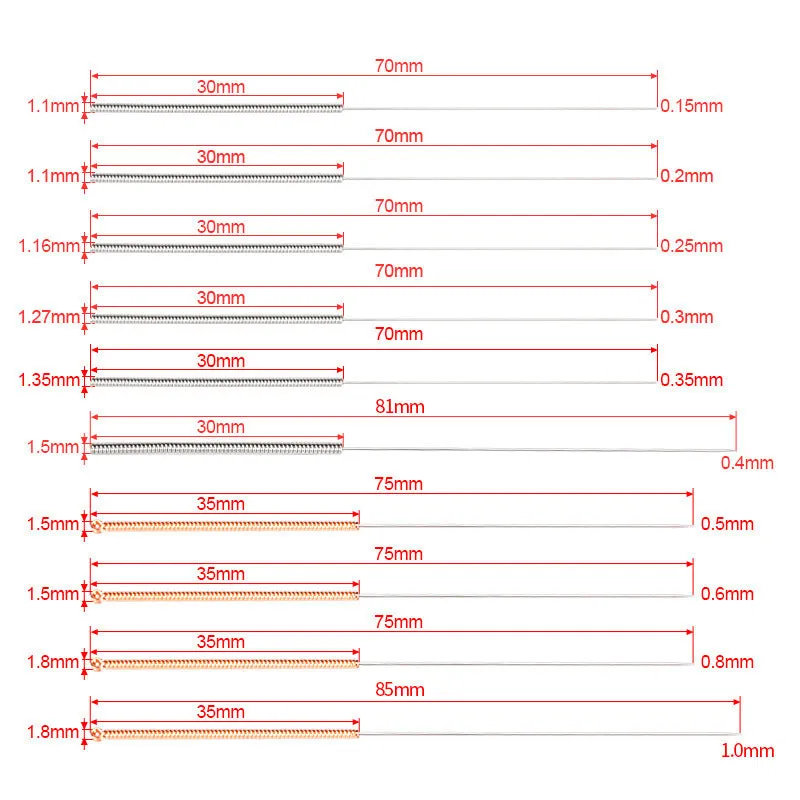
The key specification is the needle diameter, offered in five options: 200 microns (0.2mm), 225 microns (0.25mm), 300 microns (0.3mm), 350 microns (0.35mm), and 400 microns (0.4mm). These sizes correspond to common nozzle orifice diameters. Selecting a needle that matches, or is very slightly smaller than, your nozzle's internal diameter is crucial for effective cleaning without causing damage. The length of the needles is not specified, but they are presumed to be long enough to reach through the nozzle's internal channel.
Uses and Placement
The application of this tool is narrowly focused on 3D printer upkeep. Its value lies in restoring printer function rather than enhancing it, fitting into a maintenance routine.
Event or Professional Use
In settings where printer reliability is critical, such as in small-batch production workshops, design studios, or educational labs, minimising downtime is a priority. A clogged nozzle can halt all operations. Having these needles on hand allows for a quick physical intervention to clear a jam, often faster than performing a full "cold pull" or disassembling the hotend. The ten-pack quantity means the tool can be used multiple times or be available to several users in a shared environment.
Everyday Home Use
For the hobbyist or home 3D printing enthusiast, these needles offer a simple first step in troubleshooting extrusion problems. Before attempting more complex procedures like changing the nozzle or adjusting firmware settings, using a cleaning needle can resolve simple obstructions caused by dust, degraded filament, or minor heat creep. Keeping a box near your printer forms part of a basic maintenance kit alongside tweezers and cutters.
Benefits and Buying Value
The value proposition is centred on printer maintenance efficiency and the practicality of the product format.
Reuse and Low Maintenance
The ten-needle pack provides multiple uses. A needle may become dulled or slightly bent after use, so having spares ensures the tool remains effective. The needles themselves require no maintenance; they are a consumable item used until worn or lost. Their value is realised through the continued operation of the more expensive printer component—the nozzle—which they help to keep clear.
Why Choose This Product
This product is chosen for its specific compatibility with Mk8 and E3D systems and its clear, measurable specifications. The availability of multiple diameters allows users to match the tool precisely to their hardware. The ten-piece quantity offers better long-term value than single needles for users who perform regular maintenance. The alternative is often improvised tools like straightened paperclips, which lack the precise diameter and material strength, potentially risking nozzle damage.