

EMMC read and write tool for SD card PCB port out audio host maintenance, localisation data repair tool compatible with BMW, Mercedes-Benz, Audi, and Porsche vehicles for Fengdao audio system servicing.


EMMC read and write tool for SD card PCB port out audio host maintenance, localisation data repair tool compatible with BMW, Mercedes-Benz, Audi, and Porsche vehicles for Fengdao audio system servicing.
Professional EMMC Read and Write Tool for BMW, Audi, Mercedes, and Porsche Audio Host Maintenance
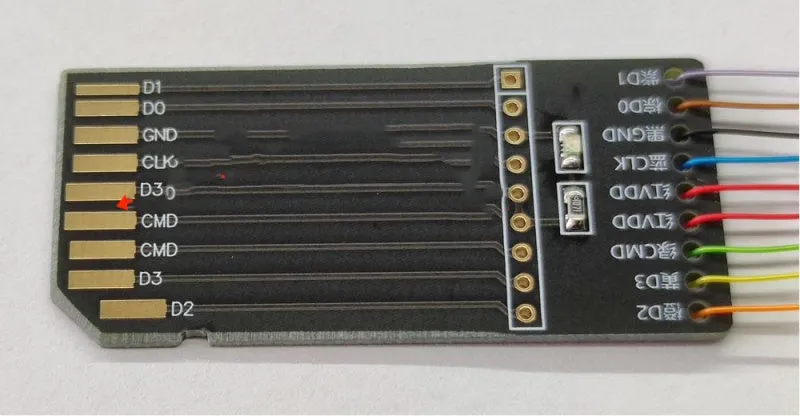
This specialised electronic tool is engineered for the maintenance and repair of in-car audio systems, specifically those using EMMC storage chips. It provides a direct interface to the audio host unit via its SD card PCB port, enabling technicians to read existing localisation data, firmware, or write new data as required for repairs. The primary application is servicing audio systems from brands like Fengdao installed in a range of European luxury vehicles, including models from BMW, Mercedes-Benz, Audi, and Porsche. This tool is aimed at professional workshops, automotive electronics specialists, or advanced hobbyists who perform detailed technical work on these complex systems, offering a more targeted solution than full unit replacement.
Features and Construction

The tool is a dedicated piece of hardware designed for a specific electronic maintenance task. Its construction focuses on reliable connectivity and compatibility with the target vehicle systems.
Material and Build
The tool is built from standard electronic components required for data communication, including a PCB, connectors, and interface circuitry. It is designed to establish a secure physical and data link with the audio host's EMMC chip through the unit's SD card port. This direct-port connection method is a practical design choice for accessing the system's core data storage without invasive disassembly of other components.
Size and Practical Fit
As a handheld electronic tool, its size is tailored for workshop use, allowing a technician to connect it to the vehicle's audio unit during servicing. The exact dimensions are not specified, but its design prioritises a form factor that is manageable for connecting to often hard-to-reach dashboard or centre console installations. Its physical compatibility is defined by its connection to the standard SD card PCB port on the target audio hosts.
Uses and Placement
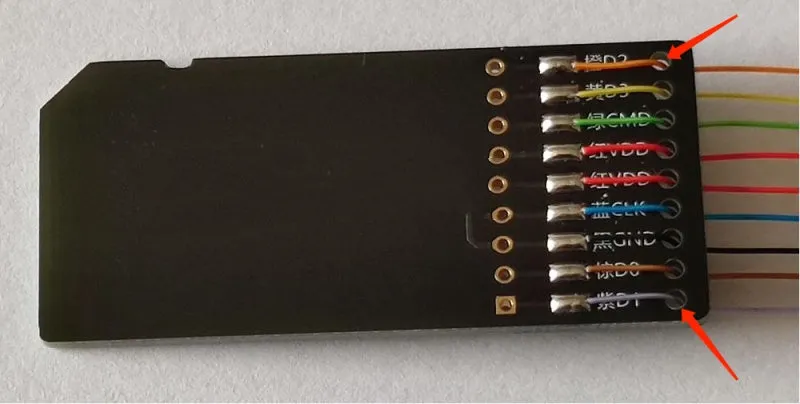
This tool has a clear, professional application within automotive repair and electronics maintenance contexts.
Event or Professional Use
Its primary use is in professional automotive repair workshops, dealership service centres, or specialist automotive electronics businesses. It is employed during diagnostic and repair procedures where an audio host unit requires firmware updates, corruption recovery, or region-specific localisation data changes. Technicians use it to perform precise data operations that can resolve software-related faults without the cost and delay of sourcing a complete replacement audio module.
Everyday Home Use
For the everyday user, this tool is not intended for casual use. It is a specialist piece of equipment requiring technical knowledge of vehicle electronic systems, EMMC protocols, and data integrity practices. Its value for a non-professional lies in the potential for a knowledgeable individual to perform complex audio system repairs on their own vehicle, but it is not a plug-and-play consumer device.
Benefits and Buying Value
The value of this tool is rooted in its specificity and the practical problems it solves for those working on these particular car systems.
Reuse and Low Maintenance
The tool itself is a reusable device. Once acquired, it can be used repeatedly on compatible vehicles, representing a long-term investment for a workshop. It requires minimal physical maintenance beyond careful handling and storage. Its core benefit is enabling the repair and continued use of the existing, often expensive, original audio host unit, promoting reuse over replacement.
Why Choose This Product
Choosing this tool is a decision based on vehicle compatibility and repair needs. It is specifically designed for BMW, Mercedes-Benz, Audi, and Porsche vehicles with Fengdao audio systems, making it a targeted solution. For a technician facing repeated software issues with these units, it provides a direct method for intervention. Its value is its focused application—it does what it is designed for efficiently, avoiding the need for more generic, and potentially less compatible, programming tools.