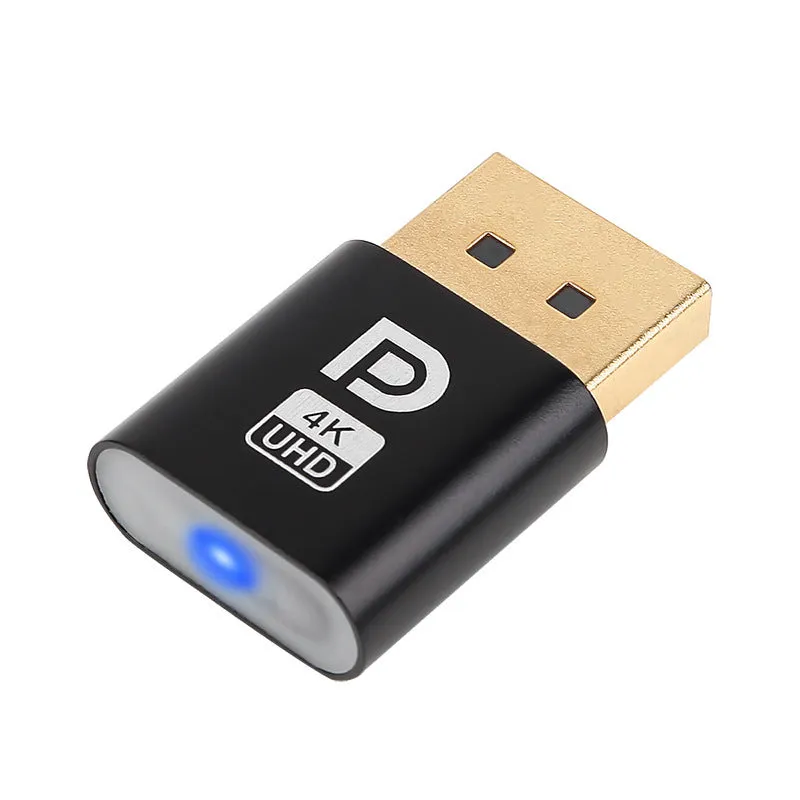
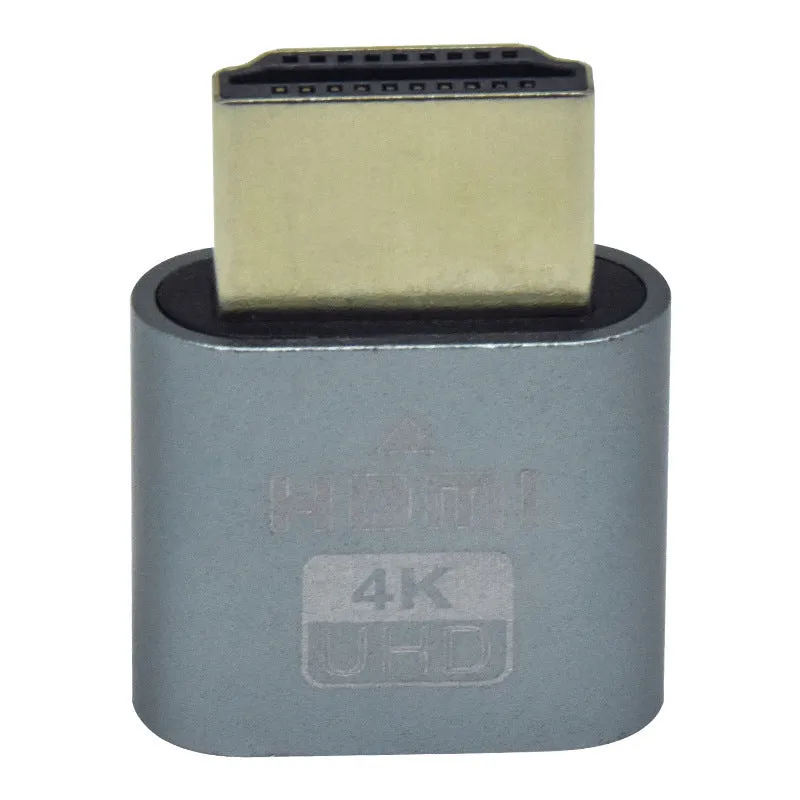
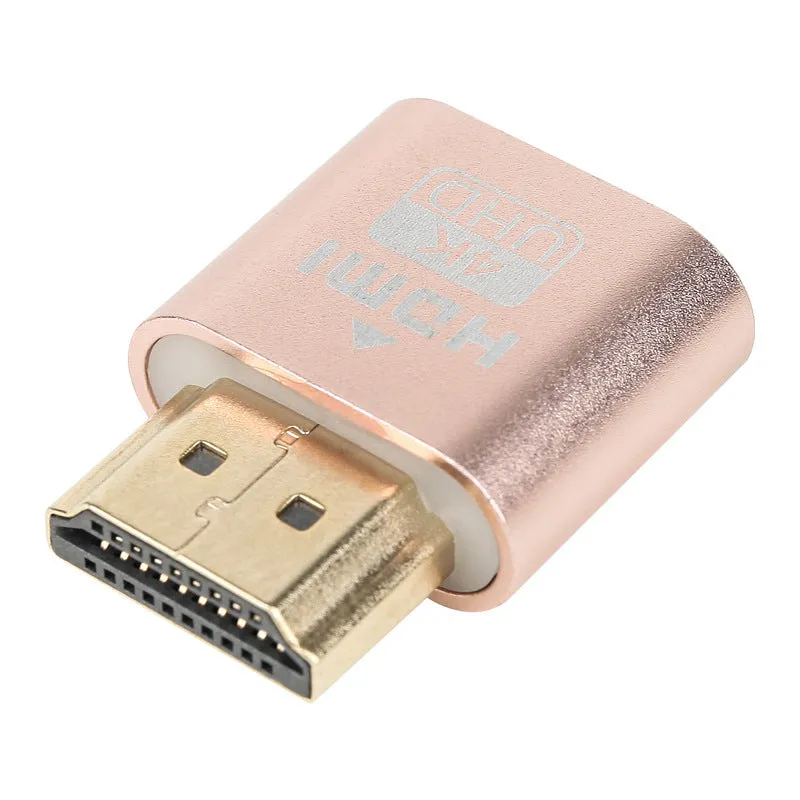
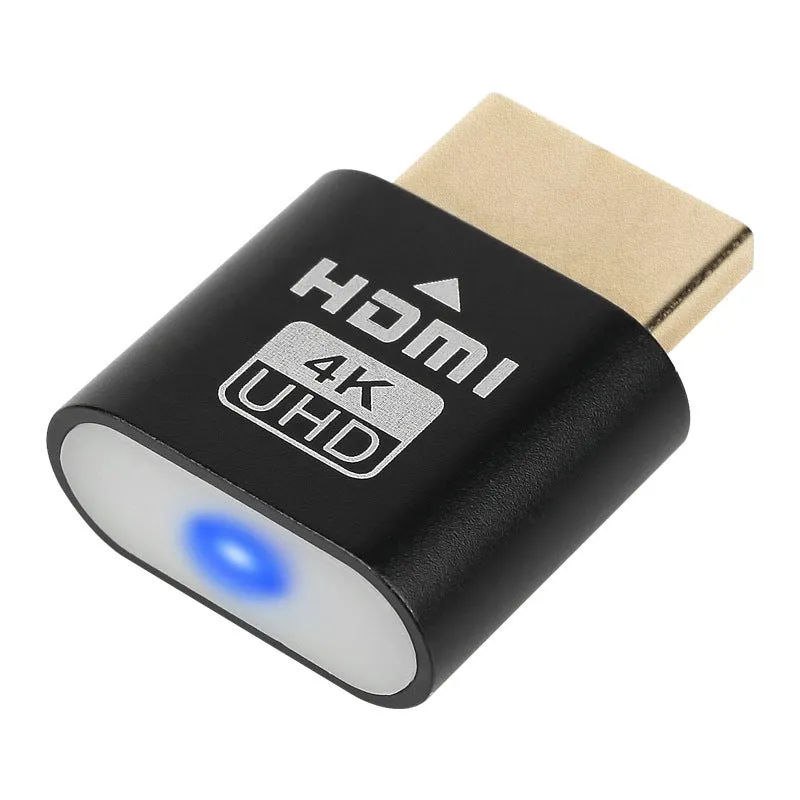
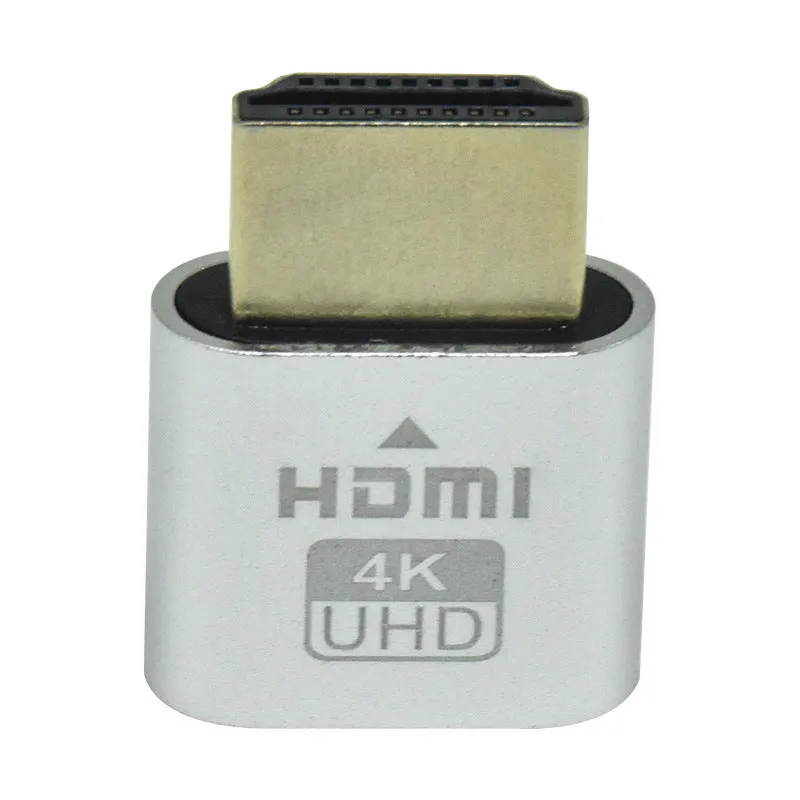
Graphics card spoof HDMI fake load VGA analogue camouflage HD lock screen virtual display adapter with 26.5mm HDMI interface length in multiple finish options including gold, silver, black, grey, and rose gold with or without LED lighting.


Graphics card spoof HDMI fake load VGA analogue camouflage HD lock screen virtual display adapter with 26.5mm HDMI interface length in multiple finish options including gold, silver, black, grey, and rose gold with or without LED lighting.
HDMI Graphics Card Virtual Display Adapter with 26.5mm Interface Length and Multiple Finish Options
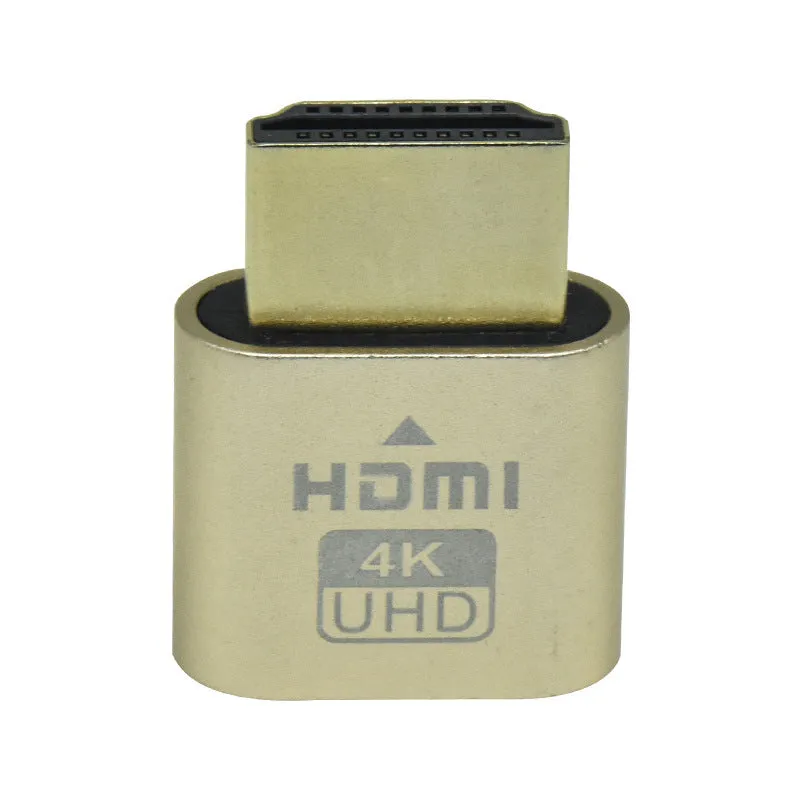
This graphics card virtual display adapter serves a specific technical purpose in computing environments where maintaining consistent display output from graphics processing units is necessary without physical monitors attached. Designed as an HDMI dummy plug, it creates a simulated HD display load that prevents GPUs from entering power-saving modes or requiring monitor connections for initialisation. The 26.5mm interface length provides direct compatibility with standard graphics card HDMI ports, while multiple finish options including gold, silver, black, grey, and rose gold offer aesthetic flexibility. Wireless by design with no external cabling requirements, this device addresses practical needs in mining rigs, rendering workstations, and server environments where display signals must persist without actual visual output hardware.
Features and Construction

The adapter's primary function centres on providing a virtual display signal through its HDMI interface, with construction focused on reliable signal simulation rather than visual output. Available in standard finishes and LED-lit variants, the device maintains simplicity in its operation while addressing specific technical requirements in GPU-dependent systems.
Material and Build
While specific construction materials are not detailed in the product information, the available finish options including gold, silver, black, grey, and rose gold suggest metallic or metallic-finish exterior components. The LED lighting option in selected variants (marked "with light" in the colour descriptions) indicates integrated illumination capability in certain models, potentially providing visual confirmation of signal transmission or power status. The wireless designation confirms no physical cabling extends from the main adapter body, creating a compact plug-and-play solution.
Size and Practical Fit
The 26.5mm HDMI interface length represents the critical dimension for this adapter, designed to connect directly to standard graphics card HDMI output ports without requiring additional adapters or extenders. This specific measurement ensures compatibility with most GPU configurations while maintaining a low-profile connection that doesn't interfere with adjacent ports or components. The compact form factor, combined with the wireless design, allows for clean installation in multi-GPU systems where space management and airflow are important considerations.
Uses and Placement

This virtual display adapter finds application in technical computing environments where GPU functionality must be maintained without traditional display outputs. From cryptocurrency mining operations to professional rendering workstations, the device addresses specific system requirements that emerge when physical monitors are impractical or unnecessary for the intended computing tasks.
Event or Professional Use
In professional computing environments such as render farms, server clusters, or data centre installations, multiple GPUs often operate without direct monitor connections. This adapter enables system administrators to maintain proper GPU initialisation and prevent automatic power management from disabling graphics cards that appear inactive. The virtual HD signal ensures each GPU remains fully operational for distributed computing tasks, remote rendering applications, or computational workloads that don't require visual output interfaces but depend on active graphics hardware.
Everyday Home Use
For home computing setups, this adapter proves useful in multi-monitor configurations where users might temporarily disconnect displays without wanting to reconfigure their graphics settings. It can maintain desktop extended across "virtual" displays, preserve specific application window placements, or prevent resolution changes when monitors are powered off. Home cryptocurrency miners or hobbyist renderers benefit from keeping mining rigs or rendering workstations active without dedicating physical monitors to each GPU, reducing power consumption and hardware requirements while maintaining system functionality.
Benefits and Buying Value

The adapter provides specific technical advantages in scenarios where GPU display output simulation is required, offering a focused solution rather than general-purpose functionality. Its value emerges from addressing particular technical requirements in computing environments where traditional display connections are impractical or unnecessary for the intended use case.
Reuse and Low Maintenance
As a solid-state device with no moving parts and minimal power requirements, this virtual display adapter offers longevity and reliability in continuous operation environments. The absence of software dependencies or driver requirements simplifies deployment across multiple systems or reconfiguration between different computers. LED-equipped variants provide immediate visual confirmation of proper function without requiring system login or software diagnostics, facilitating quick troubleshooting in multi-device installations.
Why Choose This Product
This graphics card virtual display adapter addresses a specific technical need with a focused hardware solution. The 26.5mm HDMI interface length ensures compatibility with standard graphics card ports, while multiple finish options including gold, silver, black, grey, and rose gold (with or without LED lighting) provide flexibility for different installation aesthetics. For users requiring persistent display signals from GPUs without physical monitors—whether for cryptocurrency mining, rendering workstations, server applications, or multi-display configurations—this adapter offers a reliable, plug-and-play solution that maintains system functionality without complex configuration or additional hardware investment.