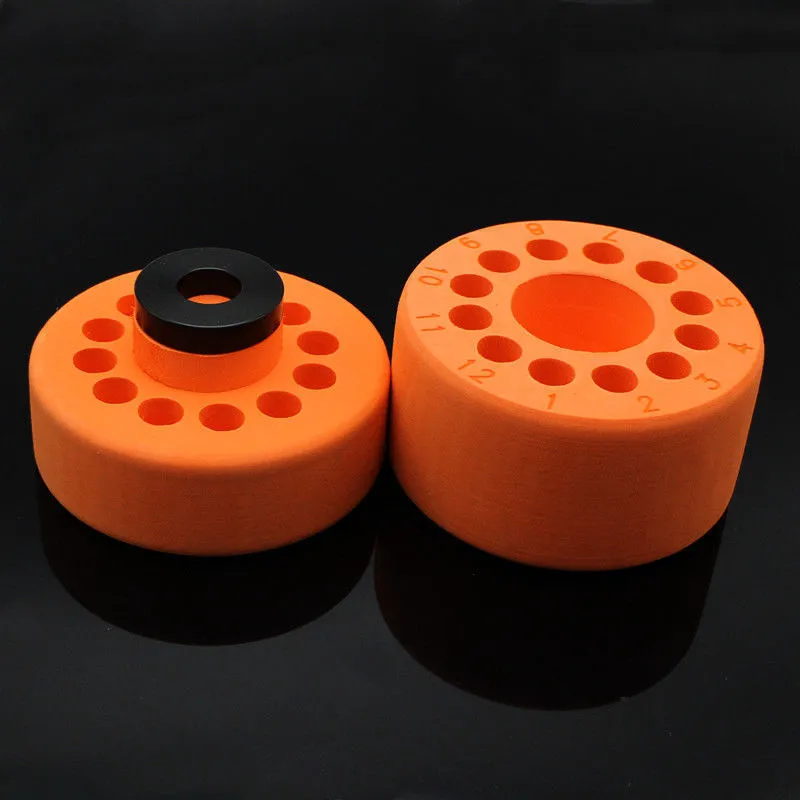
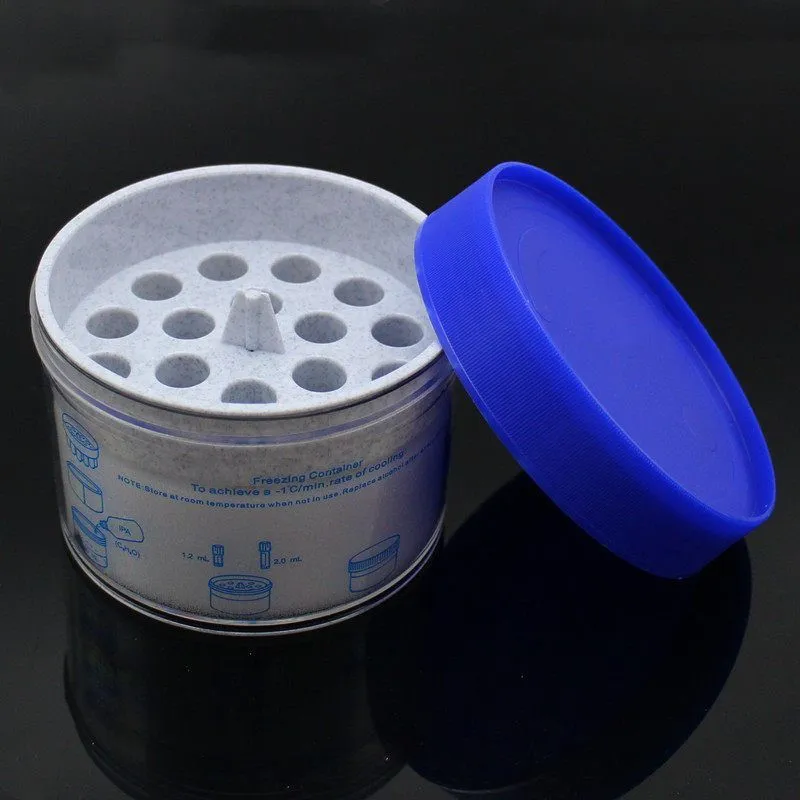
Process Cooling Box for gradient freezing and cell recovery applications, laboratory freezer tool with orange metal iron block and plastic blue cover, 1-piece cooling box for laboratory sample preparation and temperature management procedures.


Process Cooling Box for gradient freezing and cell recovery applications, laboratory freezer tool with orange metal iron block and plastic blue cover, 1-piece cooling box for laboratory sample preparation and temperature management procedures.
Laboratory Process Cooling Box for Gradient Freezing and Cell Recovery Applications
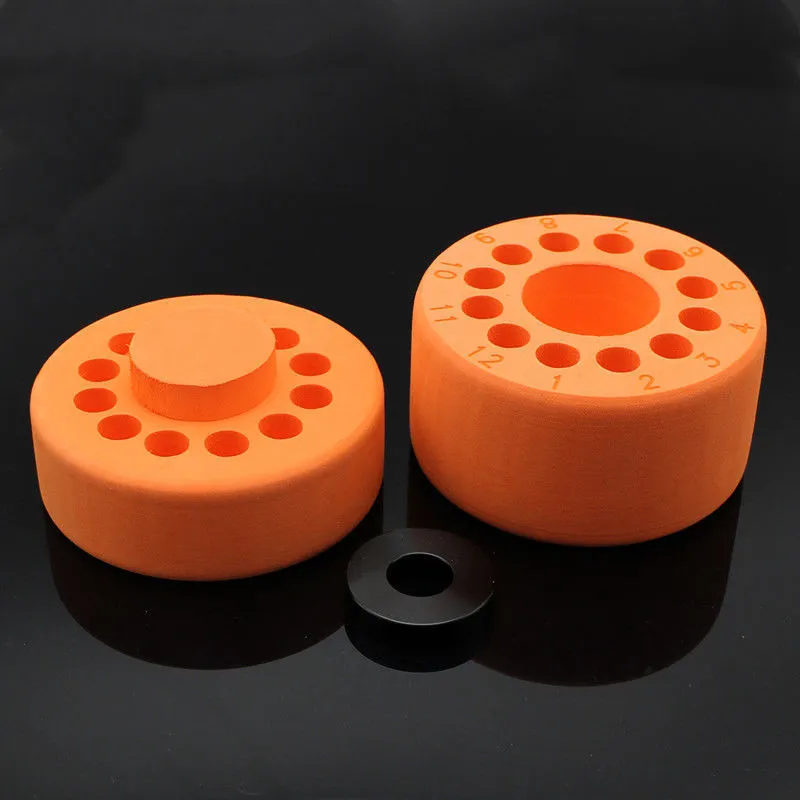
This process cooling box provides laboratory technicians with a dedicated tool for temperature-sensitive protocols requiring controlled cooling surfaces. Designed specifically for gradient freezing and cell recovery applications, the unit combines metallic thermal properties with protective plastic housing to create a stable platform for sample preparation. Unlike general laboratory cooling methods, this specialised tool offers a consistent surface area optimised for biological samples that require gradual temperature reduction or recovery procedures. The orange and blue colour-coded components facilitate easy identification in busy laboratory environments where multiple tools may be in simultaneous use.
Features and Construction

The process cooling box incorporates practical design elements suited to laboratory temperature management needs. Its two-component construction separates thermal conductive properties from protective housing, creating a balanced approach to cooling surface technology. This design addresses common laboratory requirements where both temperature control and sample protection are priorities during sensitive procedures.
Material and Build
The cooling box utilises an orange metal iron block as its primary thermal component, providing conductive properties suitable for gradient freezing applications. This metal component works in conjunction with a blue plastic cover that serves as protective housing, creating a complete unit that balances thermal performance with practical handling. The metal-plastic combination represents a functional approach to laboratory tool design where durability meets specific protocol requirements. Each material serves distinct purposes within the cooling process, with the metal facilitating temperature transfer while the plastic provides structural support and handling safety.
Size and Practical Fit
As a single-piece cooling box unit, this tool offers a dedicated cooling surface optimised for individual laboratory stations or specific protocol setups. The compact design accommodates standard laboratory workspace dimensions while providing sufficient surface area for typical sample containers used in gradient freezing and cell recovery procedures. The unit's configuration supports workflow efficiency by eliminating the need for improvised cooling arrangements, instead providing a purpose-built platform for temperature-sensitive materials. This approach to laboratory tool design prioritises protocol consistency and repeatability across multiple experimental runs.
Uses and Placement

This cooling box serves specialised functions within laboratory environments where temperature control is critical to protocol success. Its applications extend beyond general cooling needs to address specific scientific procedures requiring precise thermal management. The tool's design considerations reflect common laboratory scenarios where reliable temperature surfaces support experimental integrity and reproducible results.
Event or Professional Use
In professional laboratory settings, this cooling box supports gradient freezing protocols where biological samples require controlled temperature reduction rates. The metal iron block component provides consistent thermal conductivity for maintaining specific cooling gradients throughout extended procedures. Similarly, for cell recovery applications, the tool offers a stable temperature surface for reviving temperature-sensitive cultures or samples that have undergone freezing protocols. These professional applications benefit from the dedicated design that eliminates variability introduced by improvised cooling methods, supporting standardised procedures across research teams and experimental repetitions.
Everyday Home Use
While primarily designed for laboratory environments, this cooling box could support home-based scientific activities such as amateur microscopy, educational biology projects, or small-scale fermentation procedures requiring temperature management. The simple metal-plastic construction makes it accessible for non-professional users while maintaining functionality for basic cooling applications. Home laboratory enthusiasts might employ the tool for creating consistent cooling surfaces during DIY science projects or educational demonstrations involving temperature-sensitive materials. However, its design remains fundamentally oriented toward laboratory-grade applications rather than domestic refrigeration needs.
Benefits and Buying Value
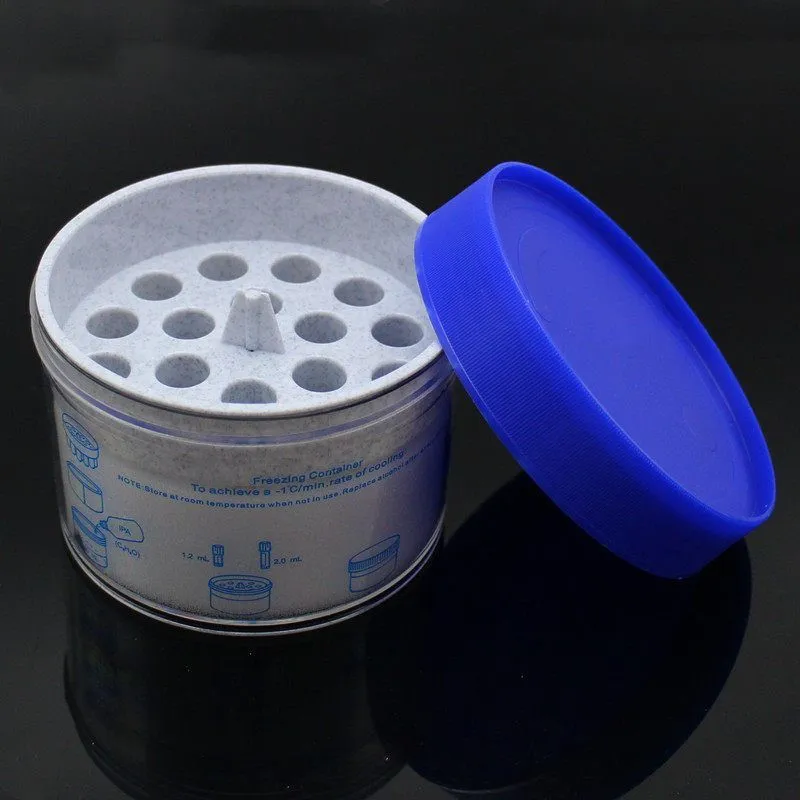
The process cooling box offers practical advantages for laboratories seeking dedicated tools for temperature-sensitive protocols. Its value extends beyond initial purchase through consistent performance across multiple experimental runs and straightforward maintenance requirements. The tool addresses specific laboratory needs while avoiding unnecessary complexity that could introduce procedural variables or maintenance challenges.
Reuse and Low Maintenance
The metal-plastic construction supports repeated use across multiple experimental sessions with minimal maintenance requirements. Laboratory personnel can clean the surfaces with standard disinfectants between uses, maintaining protocol hygiene without specialised cleaning procedures. The durable materials withstand typical laboratory environments where chemical exposure, temperature fluctuations, and regular handling are expected. This reuse capability makes the tool cost-effective over time compared to disposable cooling methods or improvised solutions that might require frequent replacement or adjustment.
Why Choose This Product
Laboratories should consider this process cooling box when seeking dedicated tools for gradient freezing and cell recovery protocols rather than adapting general equipment for specialised temperature control needs. The product's specific design addresses the unique requirements of temperature-sensitive biological procedures where consistent cooling surfaces contribute to experimental reproducibility. Compared to improvised cooling methods using ice packs or refrigeration units not designed for laboratory protocols, this tool offers standardised performance that reduces experimental variables. The clear separation between thermal conductive components and protective housing creates a balanced approach to cooling surface technology that prioritises both function and safety.