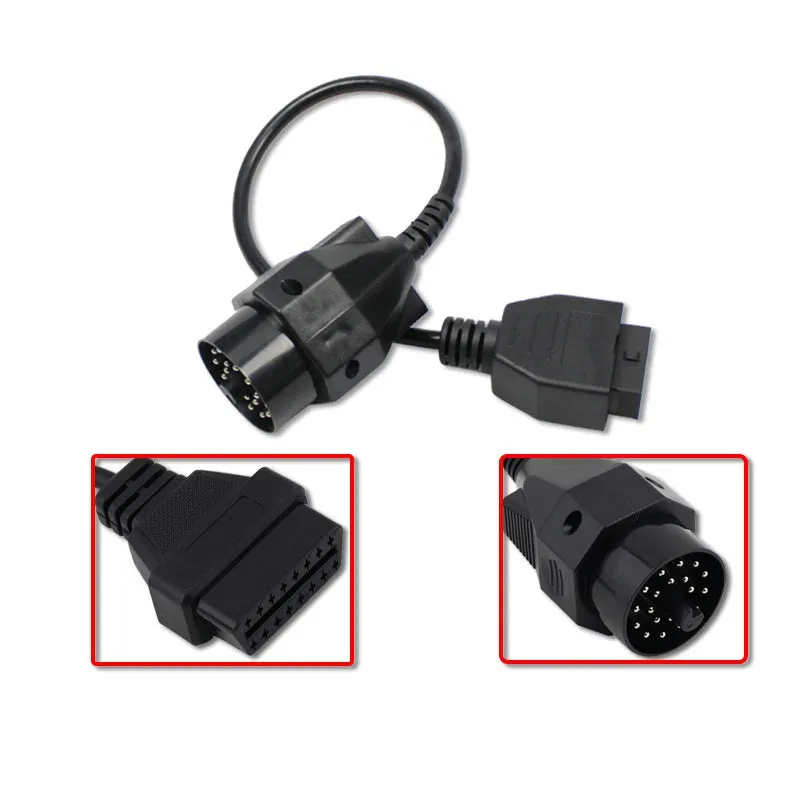
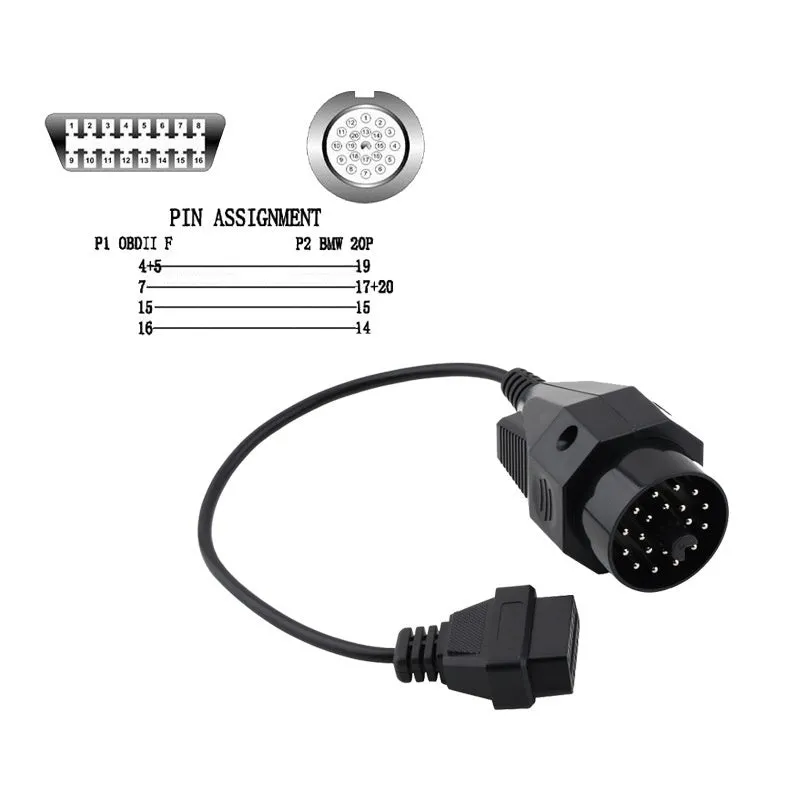
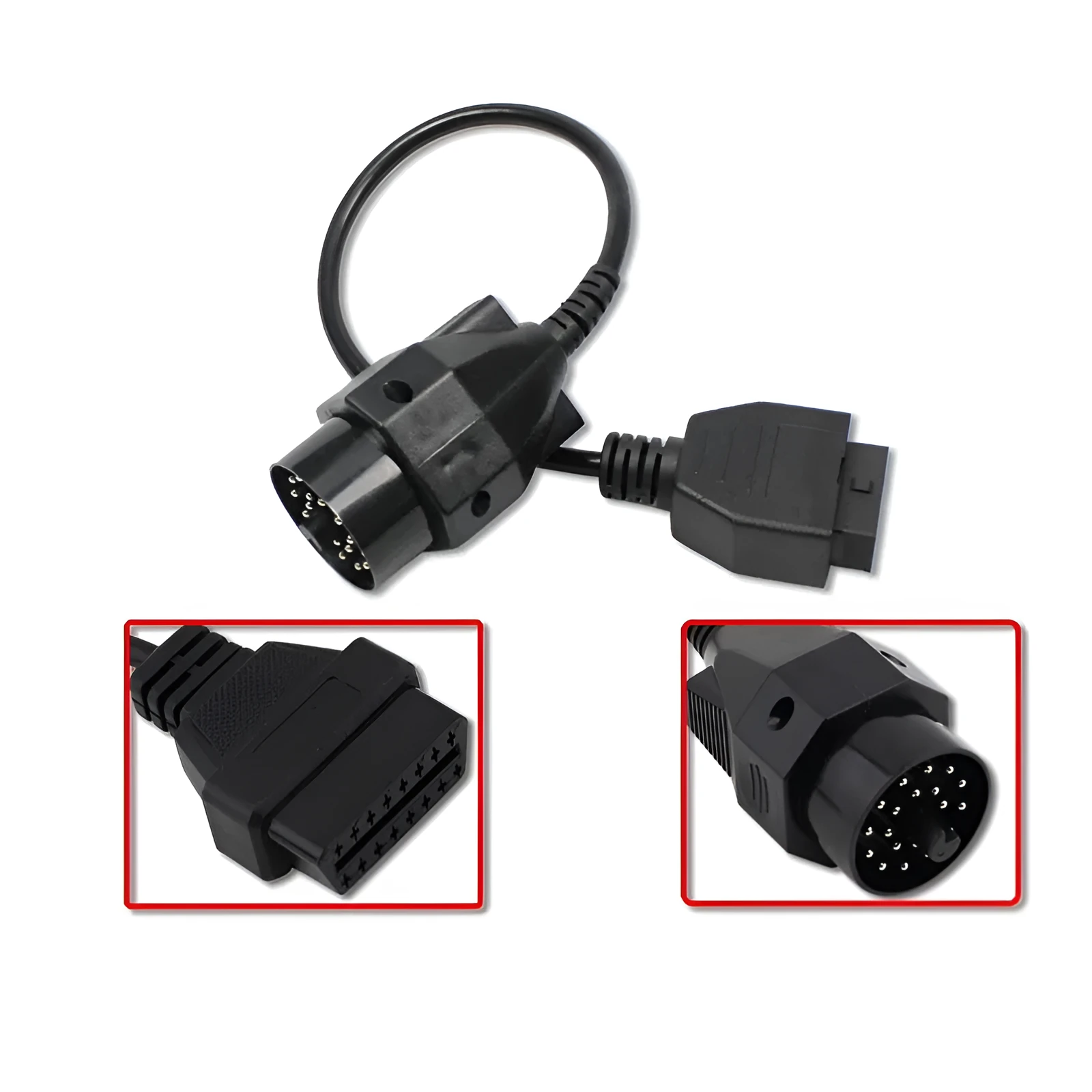
OBD2 BMW diagnostic cable adapter connector converts 20-pin BMW under-dashboard port to standard 16-pin OBD2 socket for vehicle fault code reading and diagnostics, compatible with BMW models requiring the 20-pin interface.


OBD2 BMW diagnostic cable adapter connector converts 20-pin BMW under-dashboard port to standard 16-pin OBD2 socket for vehicle fault code reading and diagnostics, compatible with BMW models requiring the 20-pin interface.
OBD2 BMW Diagnostic Adapter Cable: 20-pin to 16-pin Connector for Vehicle Scanning

This specialised automotive diagnostic cable provides the essential interface connection between standard OBD2 scanning tools and certain BMW models that utilise a proprietary 20-pin diagnostic port. Designed specifically for compatibility with BMW vehicles equipped with the older diagnostic interface standard, it enables mechanics, technicians, and car enthusiasts to access engine management systems, read fault codes, and perform standard OBD2 diagnostic procedures. The adapter serves as a practical solution for workshop environments and DIY diagnostics, eliminating the need for vehicle-specific scanning tools when basic OBD2 functionality is sufficient. By converting the BMW-specific 20-pin connection to the universal 16-pin OBD2 standard, it provides cost-effective access to diagnostic information without requiring expensive brand-specific interface equipment.
Features and Construction
This diagnostic adapter focuses on providing reliable interface conversion between BMW's 20-pin diagnostic standard and the universal OBD2 protocol used by most scanning tools. The construction prioritises electrical compatibility and physical connection reliability to ensure accurate data transmission between vehicle systems and diagnostic equipment.
Material and Build
The connector utilises automotive-grade materials suitable for workshop environments and repeated connection cycles. The housing protects internal wiring and connections from typical workshop dust and minor impacts. Internal wiring is designed for low-voltage signal transmission as required by OBD2 diagnostic protocols, ensuring accurate communication between vehicle systems and scanning tools without signal degradation. The connectors feature appropriate pin configurations matching both BMW's 20-pin specification and the standard OBD2 16-pin layout, maintaining protocol compliance for reliable diagnostic data access.
Size and Practical Fit
The adapter cable provides sufficient length to connect comfortably between the vehicle's under-dashboard diagnostic port and a handheld or workshop scanner. While specific cable length measurements aren't provided in the source data, the design accommodates typical diagnostic scenarios where the scanner may be positioned on a passenger seat, centre console, or nearby workshop bench. The 20-pin BMW connector matches the physical interface specifications of compatible BMW models, ensuring proper mechanical connection without modification to vehicle wiring. The standard 16-pin OBD2 socket accepts most common diagnostic scanners and code readers available in the automotive aftermarket.
Uses and Placement

This adapter cable serves multiple diagnostic scenarios across different automotive contexts, from professional workshops to home garage use. Its primary function centres on enabling standard OBD2 diagnostic procedures on BMW vehicles that otherwise require specialised interface equipment.
Event or Professional Use
In professional automotive workshops, this adapter allows technicians to use their existing OBD2 diagnostic equipment on compatible BMW vehicles, reducing the need for multiple brand-specific interfaces. It supports fault code reading, live data monitoring, and basic system checks during service appointments, pre-purchase inspections, and diagnostic troubleshooting. The 45°C operating temperature specification indicates suitability for workshop environments where diagnostic procedures might be performed in various temperature conditions. The 12V compatibility ensures proper operation within standard automotive electrical systems without requiring additional power sources or voltage conversion.
Everyday Home Use
For DIY mechanics and car enthusiasts, this adapter enables connection between affordable OBD2 scanners and compatible BMW vehicles for basic diagnostic procedures. It supports reading and clearing fault codes, monitoring engine parameters, and performing system readiness tests that might be needed between professional services. The straightforward connection process—plugging the 20-pin connector into the BMW diagnostic port and connecting a standard scanner to the 16-pin socket—makes it accessible for users with basic automotive knowledge. This allows BMW owners to perform preliminary diagnostics before visiting a workshop or to monitor vehicle systems between scheduled maintenance.
Benefits and Buying Value

This diagnostic adapter provides practical value through compatibility bridging and diagnostic access rather than through complex features or premium materials. Its benefits derive from solving a specific interface compatibility problem in automotive diagnostics.
Reuse and Low Maintenance
The adapter cable supports repeated use across multiple diagnostic sessions and vehicles, provided proper connection and disconnection procedures are followed. Its simple design without moving parts or electronic components minimises potential failure points, contributing to reliable performance over time when used within specified operating conditions. The automotive-grade construction materials withstand typical workshop handling, though specific durability claims aren't provided in the source data. Proper storage when not in use—keeping connectors protected from physical damage and environmental contaminants—helps maintain connection reliability for ongoing diagnostic applications.
Why Choose This Product
This adapter addresses a specific compatibility gap between standard OBD2 diagnostic equipment and BMW vehicles with 20-pin diagnostic ports. It provides a cost-effective alternative to purchasing BMW-specific diagnostic interfaces when only basic OBD2 functionality is required. The product's value lies in its focused application—it doesn't claim to enable proprietary BMW diagnostic functions but rather provides access to standard OBD2 protocol data. For users who already own OBD2 scanners and encounter compatible BMW vehicles, this adapter extends their diagnostic capability without significant additional investment. Its straightforward design prioritises functional compatibility over unnecessary features, making it a practical addition to automotive diagnostic tool collections.